


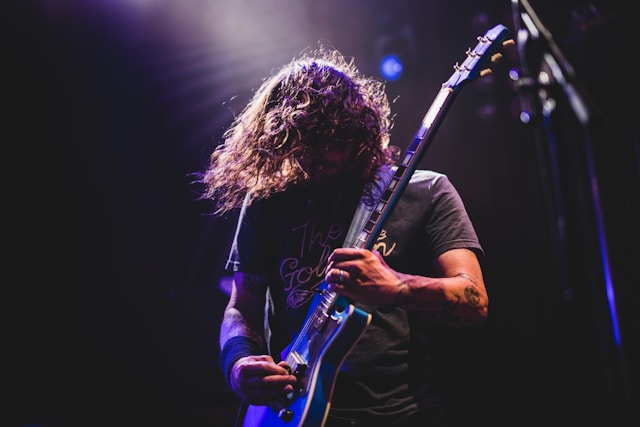
Rock music has always been closely associated with youth. Its defining images were built around rebellion, energy, experimentation, and a refusal to settle comfortably into convention. For decades, the idea of an ageing rock star therefore seemed almost contradictory. Rock musicians were expected to burn brightly while popular culture moved on to the next generation.
That expectation has changed dramatically, hasn’t it?
Many of the artists who helped shape rock in the 1960s, 1970s, and 1980s have continued performing, recording, and appearing in public well beyond traditional retirement age. In doing so, they have changed more than the music industry’s expectations. They have helped reshape how people think about ageing itself.
Today, seeing musicians in their 60s, 70s, or 80s command a stage no longer seems particularly unusual. Their continued visibility has created a more positive public image of later life, one that can include creativity, ambition, reinvention, and a strong sense of personal style.
Rock Music Has Moved Beyond Its Youthful Roots
Early rock culture was built around generational change. Young musicians challenged the musical tastes, social expectations, and fashion choices of their parents. Youth was not simply part of the audience demographic. It became part of rock’s identity.
That created an interesting situation as the first generations of major rock performers grew older.
Artists who had once represented teenage rebellion suddenly found themselves performing songs about freedom and defiance while entering middle age. Later, many reached the ages at which previous generations might have been expected to withdraw from highly visible professional life altogether.
Instead of disappearing, many stayed.
The result has been a remarkable separation of rock music from the assumption that it belongs exclusively to young people. Artists can now carry decades of history onto a stage without necessarily becoming nostalgia acts. Their age becomes part of the story rather than something that automatically ends it.
Performing Into Later Life Has Changed Expectations
Few things challenge stereotypes about ageing as directly as watching an older performer command an arena.
Touring is physically demanding. Concert schedules involve travel, rehearsals, irregular hours, and performances that may last several hours. Even younger musicians can find that lifestyle exhausting. Yet many veteran performers have continued touring successfully, presenting audiences with an image of older adulthood that differs considerably from traditional ideas about slowing down.
Mick Jagger is one of the clearest examples. His stage presence has remained an important part of the Rolling Stones’ identity decades after the band’s emergence in the 1960s. Paul McCartney has similarly continued performing lengthy concerts while maintaining a career that stretches back to the earliest years of modern rock celebrity.
Who could have perceived, during the earliest days of rock and roll, that some of its biggest stars would still be performing to enormous audiences decades later?
When internationally recognised musicians continue doing demanding, creative work later in life, they expand the range of possibilities audiences associate with getting older.
Ageing Has Become Part of the Artist’s Story
Veteran musicians do not necessarily need to pretend that time has stood still.
Songs can take on new meanings when performed decades after they were written. Lyrics about love, regret, independence, mortality, or time may carry an entirely different emotional weight when delivered by someone who has lived through another 30 or 40 years of experience.
This creates something remarkable in popular culture. Audiences can effectively grow older alongside an artist.
A listener might first encounter a musician as a teenager, continue following that person’s work through adulthood, and eventually see both artist and audience confronting similar questions about ageing. That continuity has helped older performers remain culturally relevant in ways that were once difficult to imagine.
Veteran Musicians Have Changed Attitudes Towards Appearance
Rock has always been a visual culture. Album covers, music videos, concert photography, and fashion are inseparable from the way musicians build public identities.
As performers age, their appearance inevitably attracts attention.
Some embrace grey hair, wrinkles, and other visible signs of age. Others maintain carefully constructed stage looks. Fitness routines, styling, skincare, and cosmetic procedures are also part of the wider celebrity landscape.
These choices are not limited to women. Attitudes towards cosmetic procedures among men have also changed considerably, with appearance becoming a more open part of discussions about ageing. Someone researching topics such as a 50 year old male facelift may simply be exploring how facial ageing affects men and what options people consider as they grow older.
The broader point is not that one approach is better than another. Instead, older public figures increasingly demonstrate that ageing can involve personal choice. Some people prefer to make no changes at all, while others decide to maintain certain aspects of their appearance.
Personal Style No Longer Has an Expiration Date
One of rock’s more positive contributions to attitudes about ageing has been its treatment of fashion.
Traditional ideas about age often came with unwritten rules. Certain hairstyles, clothes, or accessories were considered inappropriate once someone reached a particular stage of life. Rock musicians have spent decades ignoring those boundaries.
Leather jackets do not suddenly disappear at 65. Long hair does not automatically become unacceptable. Boots, jewellery, dramatic tailoring, and distinctive makeup can remain part of someone’s identity regardless of birth year.
For veteran musicians, those choices are not always attempts to look young. Often, they simply represent continuity.
Keith Richards looking like Keith Richards in later life is different from someone trying to recreate exactly how they looked at 25. His appearance has evolved, but the underlying identity remains recognisable.
Older Artists Have Shown That Careers Can Be Reinvented
Long careers rarely follow straight lines.
Bands separate and reunite. Musical styles lose popularity and later return. Artists pursue solo careers, collaborations, acting, writing, broadcasting, or other creative projects. Some disappear from mainstream attention before finding entirely new audiences decades later.
Digital platforms have made these rediscoveries even easier. A song released before many current listeners were born can suddenly reach younger audiences through streaming services, films, television series, or social media.
An artist can therefore represent nostalgia for one audience and discovery for another. This has weakened the traditional idea of a career peak followed by permanent decline.
Rock Veterans Continue to Change the Meaning of Ageing
Rock music once challenged expectations about how young people were supposed to behave. Decades later, some of its pioneers are challenging expectations about older people instead.
Their continued presence has helped normalise the idea that later life can remain creative, visible, ambitious, and fulfilling. They have demonstrated that personal style does not need to disappear, careers can evolve rather than simply end, and cultural relevance is not automatically surrendered at retirement age.
There is no single formula for ageing well. Some musicians embrace visible age, some actively manage their appearance, some continue touring, and others choose quieter lives.
That variety may ultimately be the most positive change. Rock veterans have helped show that growing older can simply be another remarkable stage of a creative and expressive life.

